
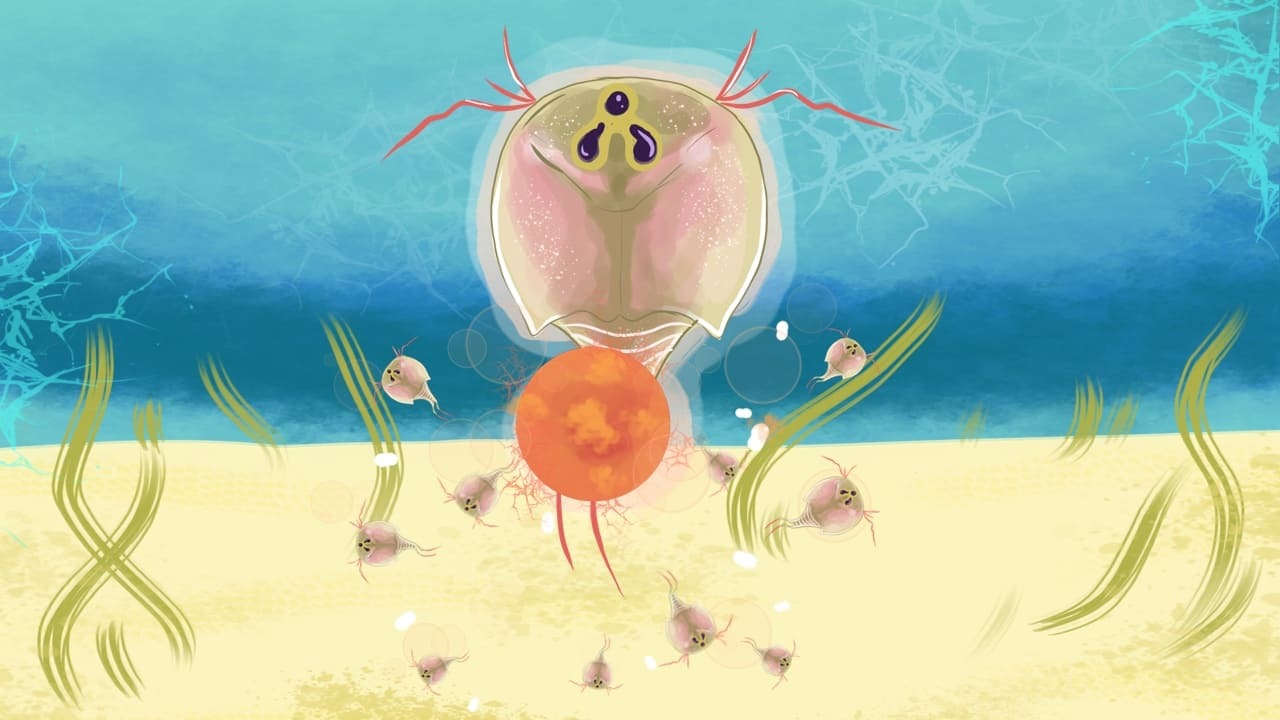
If you are in this post, there is a big chance you might be interested in Triops Breeding. Now that your tank is empty, you might wonder what you will do to breed the eggs left for you. Well, you are in the right place to know what you need to consider in breeding these prehistoric animals.
To breed the Triops, you must carefully collect the eggs and then dry the sand-egg mixture for weeks. Ensure they are dried well so they will not break in the next step. And then freeze the eggs and store them. Then, the eggs are ready for repeating the process of hatching and growing your new batch of Triops.
Inside these steps are critical things you need to consider, never to compromise the life and breeding of your Triops. Read on to know what to do precisely in breeding your Triops.
Good News! You Can Breed Your Triops.
Anyone can breed them! Yes, that is right. You don’t have to be a professional or have a degree in biology to breed these prehistoric animals. You can do it, not to mention in the comfort of your home, at a relatively low to no cost.
Breeding Triops is for anyone, but not just anyone. It has to be someone who has patience and a sense of responsibility and is determined to see the Triops grow in numbers.
Now, I’ll tell you everything you have to know!
Triops Breeding.
For the record, breeding Triops is not rocket science but also not that easy. When reproducing Triops, you must consider many things, such as temperature, light supply, water type, etc.
You can watch as your Triops gradually fill up their egg sacs and start burying the Triops eggs in the sand once they are two weeks old or older. What will you do with these Triops-eggs, though? How can you give them new life or, more accurately, how can you begin a further Triops breeding?
Many people have had trouble getting their Triops bred. The leading cause is that they did not carefully follow the instructions. Therefore, follow these recommendations, and I’m confident your Triops will successfully reproduce!
Things You Need In Breeding Triops
All the things you will need in breeding are most likely available since this isn’t your first time having Triops. The following are the materials you will need specifically in breeding your Triops:
Aquarium
Adult Triops require 0.5-0.75 gallons (2-3 liters) of water. To ensure that your Triops live in a pleasant environment, the tank you buy should hold at least 4 liters of water. The 4.5-liter bottles you may get at your neighborhood store are what I advise. Anything more significant would also be beneficial to guarantee that your Triops may develop to their full potential and do not compete for space. Select the tank with the greater surface area if you choose between a deep container with a small surface area and a shallow container with a larger surface area.
Don’t worry too much if you can’t provide them with an enormous container. The Triops will be smaller than they might otherwise be, and They will lay fewer eggs per person, but they will still be in good condition. But since you are breeding, you want to have as many eggs as possible. So this means a giant aquarium is equal to more eggs!
Additionally, it is essential because the Triops require a sizable water surface area for oxygen to dissolve into the water. The Triops would be able to breathe normally and live their entire life on a shallow but large surface. Additionally, your tank needs to be immaculate. Before utilizing your tank, thoroughly clean it with hot water if necessary.
Water
As you can be sure there are no impurities in the water, it is best to breed Triops using distilled water. Additionally, because distilled water has a more significant ion pressure on the eggs than other types of water, the slide rate is frequently quite good. Triops eggs need to be in distilled water when they are young, and since you are in the breeding process, you need filtered water. Verify that distilled water is not confused with purified or mineral water. One common type of purified water is a distillate, also known as de-ionized, which is commonly accessible in supermarkets.
But unfortunately, using distilled water for the entirety of your Triops’ lives will result in their death. Triops that have just hatched require food sources that are not in purified water. So be careful to change your water after breeding.
Water testing kit
Use a water testing kit to keep track of the pH level in the aquarium or bowl. It never hurts to exercise caution when attempting to breed Triops. Aim to keep your pH between 7.0 and 9.0. If necessary, water additives can be employed to either boost or lower this level.
It is essential because when the proper pH; level of water is according to what’s suitable for Triops you are breeding, it will lessen the possibility of some of them dying. When the water’s pH level is according to the Triops’ natural habitat, it corresponds to their natural habitat. It gives them a higher chance of survival in captivity.
Water thermometer
A floating thermometer is a helpful thermometer for water that needs to be according to exact temperatures. While the probe measures the temperature below, the dial floats on the surface and shows the reading.
Since excessive temperatures can kill your Triops, you must do this to maintain the temperature of your water. Maintain a water temperature between 72 and 86 degrees Fahrenheit. Some kits include strip thermometers for your hatching dish or tanks’ sides. To guarantee you get an accurate reading of the water’s temperature, I strongly advise using a standard thermometer that you can immerse in it.
Sand
Add a layer of sand or fine gravel to the aquarium’s bottom. Triops don’t need any particular kind of substrate to stay healthy. But since Triop eggs settle in sand or gravel, it will be simpler to dry and collect the Triop eggs later.
Triops don’t need any particular substrate to stay healthy because they can survive without it. But since Triops eggs typically settle in sand or gravel, it will be simpler to dry and collect the Triop eggs later. That makes the first step of breeding so much easier.
Coral sand is an excellent substrate, available at any aquarium store. Its fine particles allow the Triops to dig without causing the water to get hazy, which would happen if you used regular sand. Additionally, it increases the pH to 7.5, which is suitable for Triops.
Light
You can do this by setting up the Triops in a space with both natural and artificial lighting. Triops need at least two to three hours of light each day, but twelve hours of morning or light is even better. They need light to mimic their natural habitat, which will help their breeding because Triops in captivity who lives in a tank that corresponds to their natural habitat have a higher chance of living after laying eggs.
When Will Triops Start Breeding?
If the aquarium has a substrate layer, Triops will begin to lay eggs when they reach adulthood, which takes about 14 days. A pair of egg sacs start forming on the underside of their bodies. They will begin burrowing in the sand as soon as they are ready to lay some eggs. When eggs are laid and buried in the sand, more digging occurs. Sometimes the young deposit two eggs per day. Once a day at first, then less frequently as they become older and eventually near the conclusion of their incredibly brief lives, eggs are laid.
After two weeks of life, your adult Triops will start to breed and lay eggs. It is the part to be excited about because this means a new batch of Triops.
Step-by-step Instructions In Breeding Triops
1. Collecting The Eggs
Triops will lay their Triops eggs, which they bury in the sand after about two weeks. According to legend, Triops are creatures of habit and consistently lay their eggs in the exact locations throughout the aquarium. Once you’ve designated such a location, you may be confident that it will one day be the ideal location to skim the sand for Triops-eggs.
When your tank empties Triops, remove as much water as possible, leaving only a thin layer of water on the substrate. Remove as much water as possible while ensuring the eggs remain at the bottom of your tank.
Triops can lay an increasing number of eggs as they grow in size. 100 to 200 Triops eggs can be released daily by adult Triops. Once you locate a location with Triops-eggs, you can use a coffee spoon to scoop up the sand with the eggs. Because a coffee spoon has a more bottomless bowl than an ordinary spoon, we advise using one.
2. Drying
It is a crucial step for deciding whether the eggs will be suitable for breeding or go to waste. When you do this step right, your Triops eggs will be good. But if you do not take time to dry your sand-eggs mixture, it will ruin your eggs.
You can do this by putting the sand into a Tupperware bowl and setting it on a heater or under sunlight to dry the mixture. The bowl’s surface area should be as large as possible to facilitate quicker drying. The more giant the crater of the container, the better because it helps the mixture dry fast.
It would be best to put the eggs-sand mixture on a heater or in a slightly warmer environment for at least a week. Even though the sand seems to be dry after just a few hours, you need to wait until it is scorched. If not, the Triops eggs risk dying in the following.
Leave the substrate to dry for about two weeks or more. Know that the substrate and eggs must be completely dry.
3. Freezing and Storing
We’ve now come to the final step that you must accurately simulate for the Triops-eggs. That explains why the Triops eggs must be dehydrated; otherwise, they risk breaking through the freezer’s residual water expansion. You should freeze the eggs for approximately two weeks.
They can endure for an extended period, and you can repeat the cycle of growing them anytime you like!
4. Grow Your New Batch Of Triops!
In the weeks you take care of your Triops, you will notice a decrease in their population. Recognize that this is normal and that your tank will eventually be empty.
What then happens when your tank is dry? It signals that you should carry out the enjoyable task of incubating and hatching eggs and raising young Triops until they are completely grown. You can easily purchase a packet of Triops eggs instead of the whole kit because you already have a tank and all the supplies need to care for baby Triops. However, hatching the Triops’ eggs is a more thrilling alternative.
How Many Days Before The Eggs Hatch After Breeding?
If you plan to continue the cycle immediately and do not plan to store the eggs, here is what you need to do. You can pour the sand-egg mixture back into the tank as usual. Fill it up with water halfway to make sure that there will be enough oxygen for the eggs. Then, work on the light supply. For the following three to four days, keep the lamp on for 24 hours straight—their existence depends on it.
You must maintain the water’s temperature, so be sure to constantly check the water’s temperature and adjust your lamp as necessary. Remember that your Triops prefer a temperature of 71.5°F/22°C. However, keeping the temperature between 68 and 77 degrees Fahrenheit (20 and 25 degrees Celsius) is permissible.
Within 48 hours, you will see your Triops swim on the surface of your tank.
How Much Will I Spend In Breeding Triops?
When wanting to start taking care of Triops, buying their eggs typically cost $6, while the price of your tank might range from $6 to $10. You will need only roughly $4 for bottled distilled water. You probably already have other supplies like a thermometer and a bulb.
But when breeding and repeating the cycle of Triops, you most likely will not spend anything other than just buying eggs (if you did not store the last eggs) which can cost you around $6. You have your materials such as the aquarium, water thermometer, etc.
Since most Triops eggs include food and you can prepare your meals, you do not need to worry about running out of food. The Triops aren’t fussy eaters. The variety of food you may feed your prehistoric pets as they develop and reach adulthood is pretty wide. Triops can consume both plant and animal stuff because they are omnivores. So you do not need to worry about feeding them!
DONTs In Breeding Triops
Since I already mentioned what you need and the steps you should do in breeding, I will now discuss what you should not do, especially when breeding.
DONT’s
- Do not contaminate the tank. – This will be one of the reasons that your Triops will die and will not be able to lay eggs, at least for you to breed. So be careful about the cleanliness of everything you use in taking care of your Triops. From your hands down to all the tools you will use or put in your tank.
- Do not forget the importance of the depth of the water -One of the reasons cause Triops die is when you put too much water. The infusoria (minute freshwater life forms including ciliates, euglenoids, protozoa, unicellular algae, and small invertebrates) becomes increasingly diluted. More water is added to the tank, making it harder for the tiny Triops to locate enough to feed during the critical first 72 hours so they might pass away from a lack of food. Remember that adult Triop needs just about ½ gallon of water to swim well.
- Do not put potential chemicals in your tank – Be aware that you should not use any chemical or poisonous chemicals in your container. Such as tank decors that have materials like plastic. The toxins they possibly contain can leak into your Triops and be absorbed and kill them.
- Do not overfeed the Triops – Overfeeding is not good in general; it can kill them. Keep feeding the Triops modest amounts of food until your Triops reach a few millimeters. When you see that your Triops are growing, it’s the perfect time to have them eat more and give them a wider variety of foods.
- Do not re-use water – You can’t use the same water you used in breeding in hatching your new batch of eggs. Change your water to clean spring water because that is best for hatching your new collection of Triops.
- Do not hurry up – Take your time in drying your sand-eggs mixture. It will cause the eggs to break and not be able to reach the perfect time for hatching. It is the most crucial step in breeding; this determines whether you can grow a new batch of Triops or not.
You want them to stay alive to be able to lay eggs and breed. And to do that, you must imitate their natural habitat as much as possible! They will remain healthy and alive and reproduce very well!
Related Questions
1. Why Did My Previous Triops Die Immediately?
There are a lot of factors that cause Triops to die. Some die right after laying eggs, and some live for three months. But if that’s not the case, reasons can be lack of food or overfeeding, dirty water, wrong temperature, and lack of light supply.
2. Can Triops Breathe Without Water?
Triops have evolved a unique method of survival since they live in the wild in temporary pools of rainwater. It means yes, they can because they are a type of sea crustaceans. They can live in water, but if there isn’t, they have to stay moist and not completely dry because they might die.
3. How long can the Triops eggs survive as eggs?
Triops eggs can persist long as eggs for more than fifteen years. It is made possible by the protective shell that develops on their eggs, which is also one of the reasons they can endure that long and still exist at this age. Due to diapause, a state of development suspended, their eggs can take prolonged durations of dehydration. This ability prevents them from hatching in unfavorable environmental conditions.
Conclusion
Triops are amazing, but as you can see, if you want to take care of them, you need to be responsible. You must take care of them, exert effort to keep them alive, and have an endless cycle of Triops. Mimic their natural habitat as much as possible to make them live longer and reach their breeding age. Learn how to breed and take care of many generations of Triops!