
Before you even start buying the materials, you need to hatch your Triops. Remember that hatching Triops and caring for them during this stage requires responsibility. You will need to maintain a specific water temperature because if the water is too cold or too hot, your prehistoric pets will not hatch. Or, if they do, they will indeed not survive.
The Following Are The Materials You Will Need To Hatch Your Triops:
✓ Triops Eggs and Food – Some eggs you buy are in packets or envelopes containing about 80 eggs. In this case, these packets usually come with hatching nutrients and food for your pets. Another option you have is to buy the all-in-one packets. This packet contains sand, eggs, and leafy items that serve as food for the newly hatched eggs during the first few days. Unlike the first option, all these materials are in the same packet (which is why you will not see the eggs).
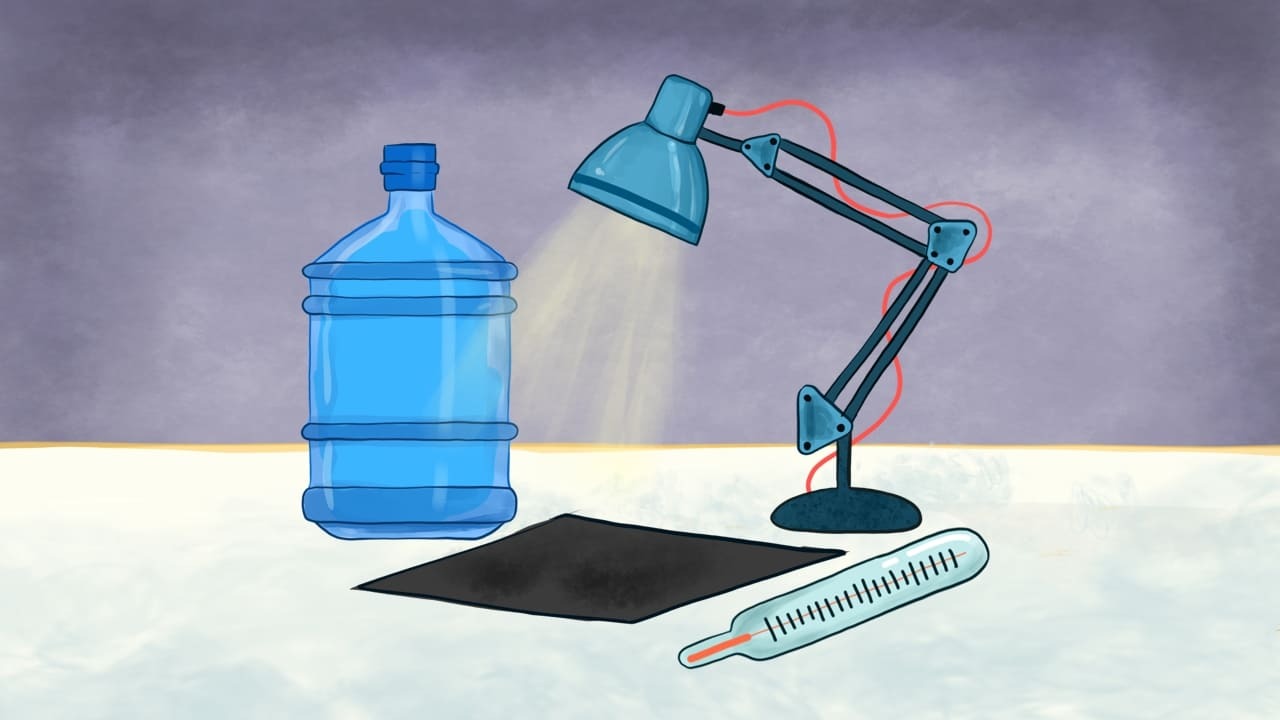
✓ Hatching Dish – Not to be confused with the tank you will use when the Triops are bigger. The hatching dish will serve as your pets’ first home during their early stages. Your baby Triops will live here for about eight days after they hatch before transferring them to the larger tank. The hatching dish can be any regular-sized plastic or glass container that usually holds your food or liquid (people have used clear bowls and wide-rimmed jars for this). Make sure that your containers can also handle the light that will be over the surface of the water. It would be best to use a clear container so you can see your pets since they are barely visible during the first few days.
✓ Desk Lamp – This portion can be tricky because you must ensure your lamp has the correct bulb. Ensure your bulb is the traditional incandescent bulb of 40- 60 Watts. Do not confuse this with a halogen bulb, which can overheat the water. Likewise, do not use compact fluorescent lamps as these do not heat the water enough. Lastly, it would be best if you use a bendable desk lamp to allow you to adjust the distance of the light source from the hatching dish. If your desk lamp is not bendable, you can quickly bring your hatching dish closer to the bulb by placing stacks of paper or notebooks underneath it. Just make sure that the hatching dish is on a very stable base.
✓ Thermometer – This is necessary for maintaining the temperature of your water since extreme temperatures can kill your Triops. Some kits come with strip thermometers on the sides of your hatching dish or tanks. Though some people do not have a problem with this, we have had cases where eggs did not hatch, or Triops did not survive due to inconsistent readings on such thermometers. We discovered that these thermometers could have measured the temperature of the container or the light source rather than the water temperature. That said, we highly recommend using a regular thermometer that you can submerge in the water to ensure you receive an accurate reading of the water’s temperature.
✓ Distilled Water (0.25 Gallon/1 Liter) – Not just you can use bottled water for your Triops while they are still eggs and babies. You cannot use tap water at this stage (but you can use tap water later, which I will tackle further on). Make sure you do not confuse distilled water with purified or mineral water. Distilled water, also called de-ionized, is a prevalent form of purified water and can easily be found in supermarkets.
✓ Stick – You will need this to stir the water when you place the eggs in it. Ensure your stick is as clean as your container to ensure your pets hatch out. Using a clean drinking straw is also an option.
✓ Black Sheet of Paper or Cardboard – Though this is not exactly for your pets, you will probably need this yourself. You can barely see your pets within the first few days of your Triops’ lives. You will benefit by placing a piece of cardboard on the side of your hatching dish to see the tiny white specks that move around in the water.
Hatching Your Triops Eggs – Step by Step
Now that you have your materials ready take a closer look at how to hatch your eggs using this simple step-by-step process. Make sure you follow them correctly so your prehistoric pets can hatch.
1. Clean the Hatching Dish and Stick – This step is crucial. Soap and residue can kill your Triops, so a clean container is significant. Some Triops owners recommend sterilizing the containers before use. Though this is an option, running your cleaned container and stick under hot water is usually enough to clean it. Make sure that your containers are dry before use.
2. Shake the Water Bottle – Pour a little water out of the bottle to leave an air gap. Shake the bottle a few times to ensure oxygen in the water.
3. Fill your Hatching Dish – Fill your hatching dish more than halfway with the water. Suppose you skip using the hatching dish and use a tank instead (done by many Triops owners); use about half a liter of water or ensure that the water is two inches/5cm in depth. Your Triops do not need a lot of water, do not worry too much about this.
4. Make Sure the Water is 68-77°F/20-25°C (with 71.5°F / 22°C as the ideal temperature) – The temperature should be at this level to ensure that your Triops hatch. Maintaining this temperature is important because if the water goes beyond 88°F/31°C, your pets will not hatch or eventually die. Maintaining this temperature is where your desk lamp comes into play. Place the lamp light over the surface of the water, approximately 15 cm from the water’s surface. Wait until the temperature is within the suitable range. Once the temperature reaches this range, wait a few minutes to see if this temperature is maintained and adjust your lamp or the distance of your hatching dish accordingly until the temperature is maintained.
5. Shake and Pour your Eggs into the Water – This part varies depending on the instructions on your packets. Some packets will advise you to pour only half of the contents. In this case, shaking is necessary. In most packs, especially those with food and sand, the instructions will probably advise you to pour everything inside the aquarium. Some packages come with what they call “hatching nutrients” that aid in the hatching and growth of your Triops. Ensure you follow these directions accordingly since hatching also depends on the brand and instructions of the packet you buy.
6. Stir the Eggs into the Water – Stirring the water is necessary to ensure that your eggs go into the water and do not stick to the sides of your hatching dish or tank. You must occasionally stir for the first two hours in thirty-minute intervals. Ensure that all the eggs are in the water, not on your stick’s sides. If the eggs stick to the sides of your hatching dish, run them down using distilled water over the next few days to ensure they hatch.
7. Leave Space for Air – Triops need oxygen to survive, so you must leave the top of your hatching dish or tank open for air to enter. Always remember that you should not put your lamp too close to the water’s surface. Aside from safety concerns, this may hinder air from entering and can overheat your water. Do not seal your hatching dish or tank, or your pets will not survive.
8. Leave the Lamp on for 24 Hours for the Next 3-4 Days – This is necessary for their survival. As mentioned earlier, you must maintain the temperature of the water. So be sure to check the water’s temperature regularly and adjust your lamp accordingly. Take note that the ideal temperature for your prehistoric pets is 71.5°F/22°C. But maintaining the temperature within 68-77°F/20-25°C is just fine.
Within 48 hours, you will notice them swimming in the water with the help of your black cardboard. Place this outside your hatching dish or tank and watch your prehistoric baby pets swim around. A lot of people have failed in hatching their eggs. The main reason is that they did not follow the directions thoroughly. So, make sure that you follow these directions and tips, and we are sure your eggs will hatch successfully!
Take note that your Triops may take longer to hatch during cold weather. It can take as long as 3-5 days in this climate. You must be patient and maintain the ideal temperature for hatching your Triops.